|
Why More Americans Are Moving to JapanWhy More Americans Are Moving to JapanJapan has long been a popular destination for American travelers, but increasingly, some Americans are considering it as a place to live, raise a family, work, or buy a home. The reasons are practical as much as cultural. Japan offers safe cities, reliable public transportation, good food, accessible healthcare, and, in many areas, housing prices that look surprisingly affordable compared with the United States. At the same time, moving to Japan comes with challenges. Language, housing procedures, workplace culture, and social customs can make daily life more complicated than it appears during a vacation. So what is attracting Americans to Japan—and what should they know before making the move?
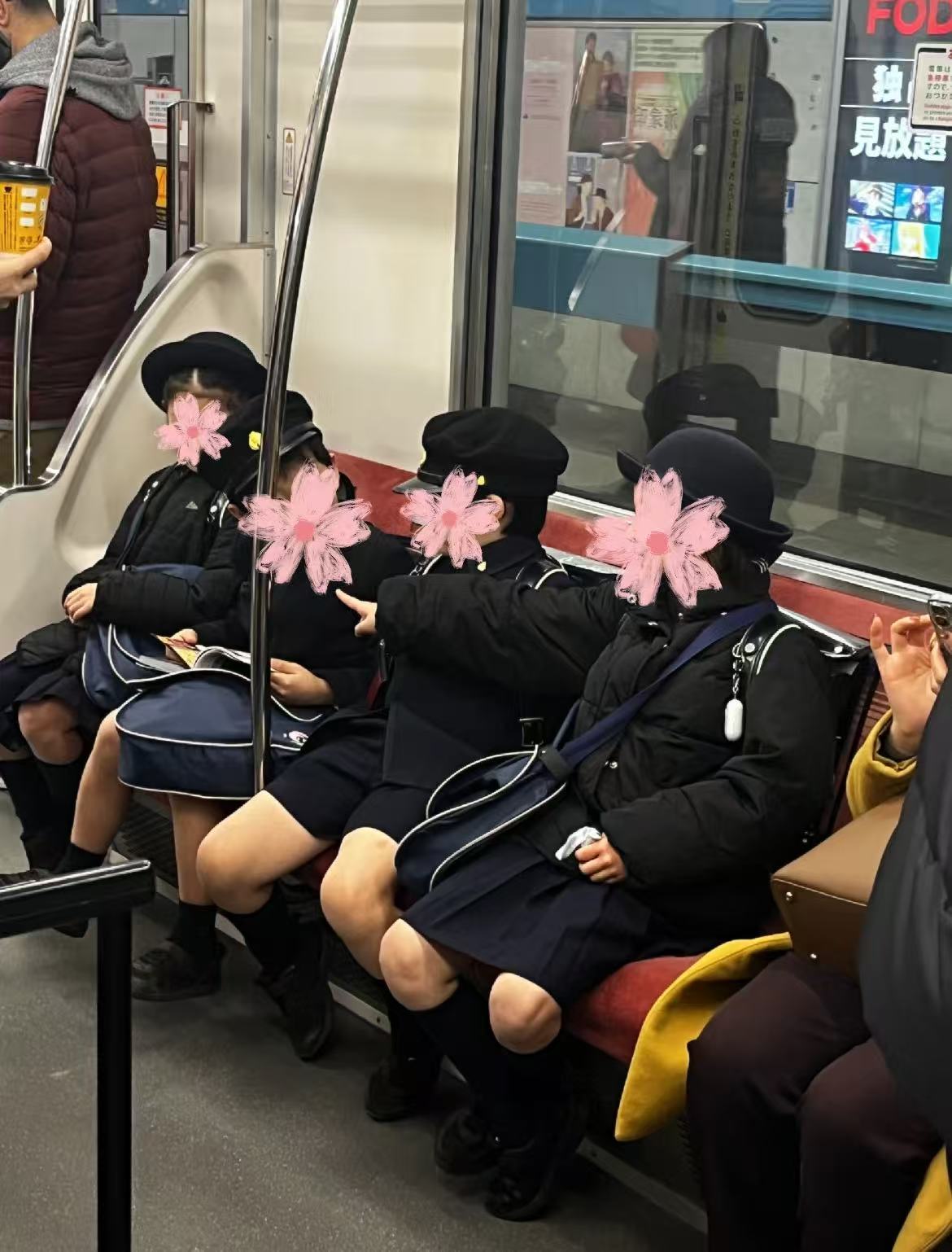
Safety and Quality of LifeSafety is one of Japan's strongest attractions. For many Americans, the difference becomes noticeable in everyday life: walking home at night, using public transportation, or allowing older children to travel independently. Japan's cities are also designed differently from many American cities. In Tokyo, Osaka, Yokohama, and other urban areas, it is possible to live comfortably without owning a car. Trains and buses connect residential neighborhoods with workplaces, schools, shopping areas, and entertainment districts. Daily necessities are often within walking distance, which can make everyday life simpler and more convenient. For families, this combination of safety, transportation, schools, and neighborhood infrastructure is particularly attractive.
Food and HealthcareFood is another major reason Americans enjoy living in Japan. Fresh ingredients, prepared meals, neighborhood restaurants, and convenience stores are widely available. Eating well does not necessarily require spending large amounts of money, and the quality of everyday food is one of the things many foreigners notice after moving to Japan. Healthcare is another important consideration, particularly for Americans accustomed to the cost of medical care in the United States. Eligible residents in Japan participate in the country's public health insurance system, giving them access to medical treatment under a very different cost structure from the U.S. For people considering Japan as a long-term home rather than simply a travel destination, these everyday factors can matter more than tourist attractions.
Affordable Housing Is Getting International AttentionJapanese real estate has also become a major attraction. According to Japan's Statistics Bureau, the country had approximately 9.002 million vacant dwellings in 2023, representing 13.8% of all housing. (Statistics Bureau Home Page/News Bulletin September 30, 2024). These vacant properties are often associated with the term akiya. In rural areas and smaller cities, some homes can be purchased for prices that appear extremely low compared with American real estate. For Americans coming from California, New York, Hawaii, or other expensive housing markets, the difference can be striking. However, a cheap house is not always a cheap investment. Older properties may require significant renovation, and buyers need to consider structural condition, earthquake resistance, transportation, taxes, insurance, and maintenance. A ¥3 million house that needs ¥10 million in renovation is very different from a move-in-ready ¥3 million property. Location is equally important. An inexpensive rural home may be far from train stations, hospitals, supermarkets, and employment opportunities. The listing price is only the beginning of the calculation.
The Language Barrier Is RealVisiting Japan without speaking Japanese is relatively easy. Living in Japan without Japanese can be much harder.Rental agreements, property documents, utility contracts, banking procedures, insurance paperwork, and local government services are often conducted primarily in Japanese. Even foreigners who can handle everyday conversations may struggle with the specialized language used in contracts or real estate transactions. Communication styles can also take time to understand. Japanese communication is often less direct than American communication. The concept of kuuki wo yomu—“reading the air”—reflects the importance of understanding context and unspoken expectations. For Americans accustomed to direct answers, this can occasionally lead to misunderstandings in business and everyday life. Work Culture Can Be DifferentWorking in Japan also requires adjustment.Traditional Japanese companies may place greater emphasis on hierarchy, seniority, group decision-making, and established procedures than many American workplaces. Work culture varies significantly between companies, and modern international firms can be very different from traditional Japanese corporations. Still, understanding how decisions are made and how colleagues communicate is important for anyone planning to build a career in Japan. For Americans earning income remotely, Japan has also introduced a Digital Nomad residence status. Qualifying applicants can stay for up to six months, subject to requirements including annual income of at least ¥10 million and appropriate medical insurance. For Japanese Americans, Japan Can Feel Both Familiar and ForeignJapanese Americans can have a particularly interesting experience moving to Japan.Family history, food, language, or cultural traditions may create a strong sense of connection. At the same time, growing up in the United States can produce very different expectations around communication, individualism, work, and social relationships. As a result, Japan may feel familiar while still requiring considerable cultural adjustment. For some Japanese Americans, moving to Japan is not simply about finding a new country to live in. It can also be a way to reconnect with family history or explore an identity that has existed across generations. Buying a House Does Not Give You ResidencyOne point is especially important for Americans interested in Japanese property:Buying real estate in Japan does not automatically give you the right to live in Japan. Property ownership and immigration status are separate. Anyone planning to stay long term needs an appropriate residence status based on employment, family circumstances, study, business activities, or another qualifying category. This distinction is important because inexpensive Japanese properties can make relocation appear easier than it actually is. Finding a house may be the easy part. Building a legal and practical life around it requires more planning. Is Japan Right for You?Japan's appeal to Americans is understandable. It offers safety, convenient transportation, excellent food, healthcare, cultural experiences, and real estate opportunities that can be difficult to find in the United States. But living in Japan also means dealing with a new language, different social expectations, unfamiliar contracts, and a different way of doing business. The people who adapt successfully tend to understand both sides. For international buyers, the same principle applies to real estate. Don't choose a property simply because it looks inexpensive. Understand the building, the location, the costs, and how it fits into the life you actually want to build in Japan. How Hakudatsu Can HelpAt Hakudatsu, we help international clients navigate Japanese real estate and the practical challenges that come with buying property in Japan.From understanding local properties and communicating across language barriers to navigating unfamiliar processes, our goal is simple: make buying property in Japan clearer for international buyers. Because moving to Japan isn't just about finding a house. It's about finding a place that works for your life.
|