Fukuoka: A Growing Gateway for Global Startups and International Businesses in Japan
How Fukuoka’s Special Zone initiatives are creating new opportunities for foreign entrepreneurs, international companies, and global talent
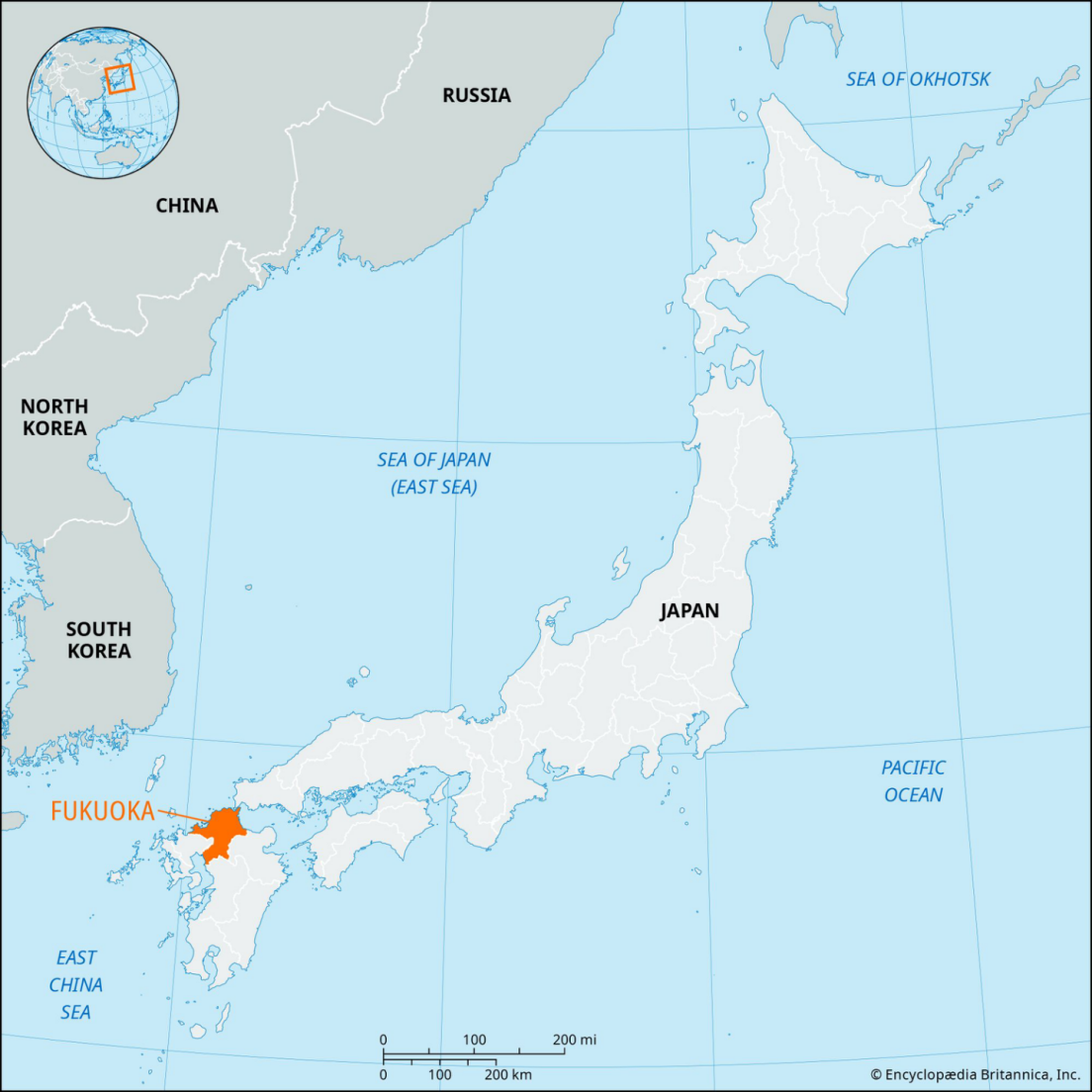
Fukuoka has emerged as one of Japan’s most dynamic cities for entrepreneurship, innovation, and international business.
As a designated National Strategic Special Zone, Fukuoka has introduced a range of initiatives designed to encourage business creation, attract international talent, accelerate urban redevelopment, and develop new industries.
Its strategic location—connecting Japan with major Asian markets—combined with a growing startup ecosystem and business-friendly local government has made Fukuoka an increasingly attractive destination for overseas entrepreneurs and companies considering expansion into Japan.
For international businesses evaluating where to establish their Japanese operations, understanding Fukuoka’s special-zone initiatives can reveal opportunities beyond Japan’s traditional business centers of Tokyo and Osaka.

Supporting Foreign Entrepreneurs and Startups
One of Fukuoka’s most prominent initiatives is its support for entrepreneurs seeking to establish new businesses in Japan.
Foreign nationals who wish to start a company in Japan normally need to satisfy certain requirements when applying for the appropriate status of residence. For entrepreneurs who are still preparing their business operations, meeting all of these requirements before entering Japan can present practical challenges.
Fukuoka’s startup support framework is designed to provide eligible foreign entrepreneurs with additional time and flexibility to prepare their businesses.
Through the Startup Visa program, qualifying entrepreneurs may be able to enter or remain in Japan while completing preparations such as establishing a company, securing business premises, developing their business plan, and building their local operations.
This can make Fukuoka particularly attractive for international founders who want to establish a presence in Japan but need time to complete the necessary business setup.
For how to start a company in Japan, see:How Foreigners Can Register a Company in Japan: A Complete Guide-Hakudatsu Co., Ltd.
Attracting International Talent
Building a successful international business requires more than establishing a legal entity—it also requires access to the right people.Fukuoka has actively positioned itself as a city where international entrepreneurs, professionals, and innovative companies can build long-term operations.Its startup ecosystem brings together entrepreneurs, investors, established corporations, universities, and public-sector organizations, creating opportunities for both domestic and international collaboration.For overseas companies entering Japan, this environment can provide valuable access to local business networks while helping international teams become integrated into the Japanese market.
Business and Administrative Support
Japan is known for its structured regulatory and administrative environment, which can sometimes be difficult for companies entering the market for the first time.
Fukuoka has therefore focused on making the business establishment process more accessible to entrepreneurs and international companies.Depending on the type of company, business activity, and applicable program, businesses may have access to startup consultation, administrative assistance, business matching, and other forms of support.Centralized consultation services can also help entrepreneurs better understand procedures relating to company establishment, taxation, employment, and immigration.For foreign founders unfamiliar with Japanese administrative practices, having access to this type of local support can significantly improve the market-entry experience.
Tenjin Big Bang: Transforming Fukuoka’s Business District
Fukuoka’s strategy extends beyond startup support.
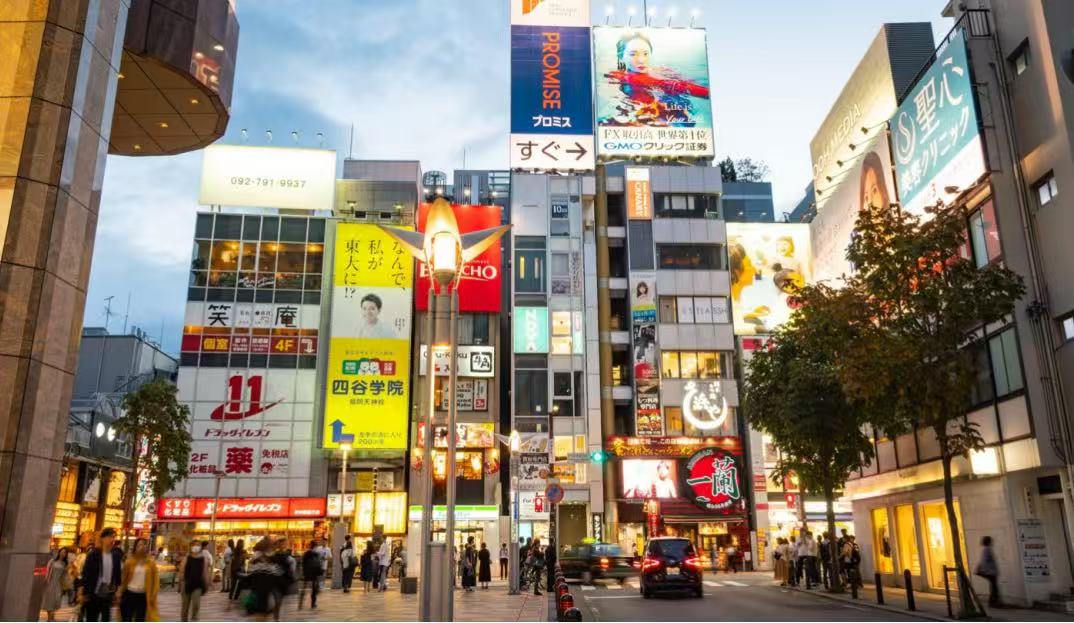
The city is also undergoing significant physical transformation through major redevelopment projects, including Tenjin Big Bang.
Tenjin is one of Fukuoka’s principal commercial and business districts. Through redevelopment initiatives and changes to certain building restrictions, older buildings are being replaced by modern offices, commercial facilities, hotels, and mixed-use developments.
The objective is not simply to construct taller buildings. It is to create a more competitive and attractive urban environment capable of supporting international companies, professionals, visitors, and investors.
For companies considering establishing offices in Fukuoka, the continued redevelopment of Tenjin is expanding the range of modern business infrastructure available in the city.
Hakata Connected and Improved Business Infrastructure
A similar transformation is taking place around Hakata Station through the Hakata Connected initiative.
Hakata is one of Kyushu’s most important transportation hubs, providing convenient access to Fukuoka Airport as well as rail connections throughout the region.
Redevelopment around Hakata is designed to improve office capacity, pedestrian environments, commercial facilities, and the overall attractiveness of the district.
Together, Tenjin and Hakata form the core of Fukuoka’s evolving international business environment.
Developing Fukuoka as an International Financial Hub
Fukuoka’s ambitions increasingly extend into finance and asset management.
The city and the wider region have been developing initiatives designed to attract financial institutions, FinTech companies, asset management businesses, and international financial professionals.
This strategy complements Fukuoka’s existing startup ecosystem.
By bringing together entrepreneurs, investors, financial institutions, and professional service providers, Fukuoka has the potential to create a more complete environment for international companies seeking both business opportunities and access to capital.
Its proximity to major Asian economies also provides Fukuoka with a distinctive geographical advantage as Japan strengthens its connections with international financial markets.
Innovation in Healthcare and Digital Services
Special-zone initiatives have also supported experimentation and regulatory modernization in areas such as healthcare and digital services.
Japan is increasingly exploring how technology can improve access to medical services, administrative procedures, and other essential infrastructure.
For companies operating in HealthTech, digital healthcare, or related industries, these developments may create opportunities to participate in Japan’s evolving healthcare ecosystem.
However, healthcare remains a highly regulated industry in Japan, and companies considering market entry should carefully assess licensing, regulatory, and professional requirements before launching services.
Green Technology and Sustainable Industries
Fukuoka and the wider Kyushu region are also becoming increasingly important within Japan’s transition toward sustainable industries.
Regional initiatives supporting environmental technologies, renewable energy, clean technology, and green innovation are creating opportunities for companies developing solutions in areas such as energy efficiency, decarbonization, recycling, and sustainable infrastructure.
For international companies operating in environmental technology and related industries, Fukuoka can therefore serve not only as a local market but also as a strategic base for accessing opportunities across Kyushu and the wider Asian region.
Why Should International Companies Consider Fukuoka?
Tokyo remains Japan’s largest business center, but Fukuoka offers a different value proposition.
For foreign entrepreneurs and international companies, its appeal comes from the combination of:
A strong startup and innovation ecosystem
Government support for international entrepreneurship
Access to startup-related immigration initiatives
Major urban redevelopment
Growing financial and technology sectors
Connectivity with other Asian markets
Access to the wider Kyushu economy
A business environment actively seeking international companies and talent
For some businesses, particularly startups, technology companies, professional service providers, and Asia-focused companies, Fukuoka may provide an attractive alternative or complement to establishing operations in Tokyo.

Expanding Your Business to Fukuoka?
Choosing the right city is only one part of entering the Japanese market.
International companies must also consider their corporate structure, incorporation procedures, business licenses, taxation, immigration requirements, local partnerships, office arrangements, and long-term market strategy.
Hakudatsu Global supports international companies, entrepreneurs, and professionals seeking to establish and expand their operations in Japan.
Our services include:
Japan market entry consulting
Company incorporation support
Business setup and localization
Startup and entrepreneur support
Business matching and local resource coordination
Visa and residency-related coordination
Coordination with licensed Japanese professionals
Long-term Japan business strategy consulting
Whether you are considering Fukuoka, Tokyo, Osaka, or another Japanese market, we help international businesses understand their options and develop a practical path toward establishing operations in Japan.
Planning to start or expand your business in Fukuoka?
Contact Hakudatsu Global to discuss your Japan market-entry strategy.