Japan’s 2026 Income Tax Reform: What the ¥1.78 Million Threshold Means for Workers

Japan’s 2026 tax reform introduces another significant change to the income-tax system, raising the minimum income-tax threshold for salaried workers to ¥1.78 million.
The reform is intended to respond to rising living costs, reduce the tax burden on working households, and address the long-standing issue of employees limiting their working hours to remain below certain income thresholds.
However, the higher income-tax threshold does not mean that everyone can simply earn up to ¥1.78 million without affecting their take-home pay.
Japan’s social insurance rules operate separately from the income-tax system, and changes to social insurance coverage mean that some part-time employees may become liable for health insurance and pension contributions even though they owe little or no income tax.
Understanding the difference between these two systems is therefore essential when deciding how much to work.
What Is the New ¥1.78 Million Income-Tax Threshold?
Under the 2026 tax reform, Japan has raised the minimum level at which income tax begins to apply for salaried workers to ¥1.78 million.
The threshold is created through a combination of the basic income-tax deduction and the employment income deduction (給与所得控除) available to employees.
This follows the substantial changes introduced for 2025, when the previous ¥1.03 million threshold was effectively increased through higher deductions.
For 2026, the government has taken the reform further, bringing the minimum income-tax threshold to ¥1.78 million.
The change forms part of a broader response to inflation and higher living costs and is intended to reduce incentives for workers to restrict their earnings solely for income-tax purposes.
The Reform Benefits More Than Just the Lowest-Income Workers
The changes are not limited to employees earning less than ¥1.78 million.
Adjustments to the basic deduction and employment income deduction also provide income-tax relief across a broader range of low- and middle-income earners.
In particular, special deduction measures apply to certain taxpayers with total income up to specified levels, meaning that many employees earning substantially more than ¥1.78 million may also benefit from lower income-tax liabilities.
The exact benefit depends on the taxpayer’s income level and individual circumstances.
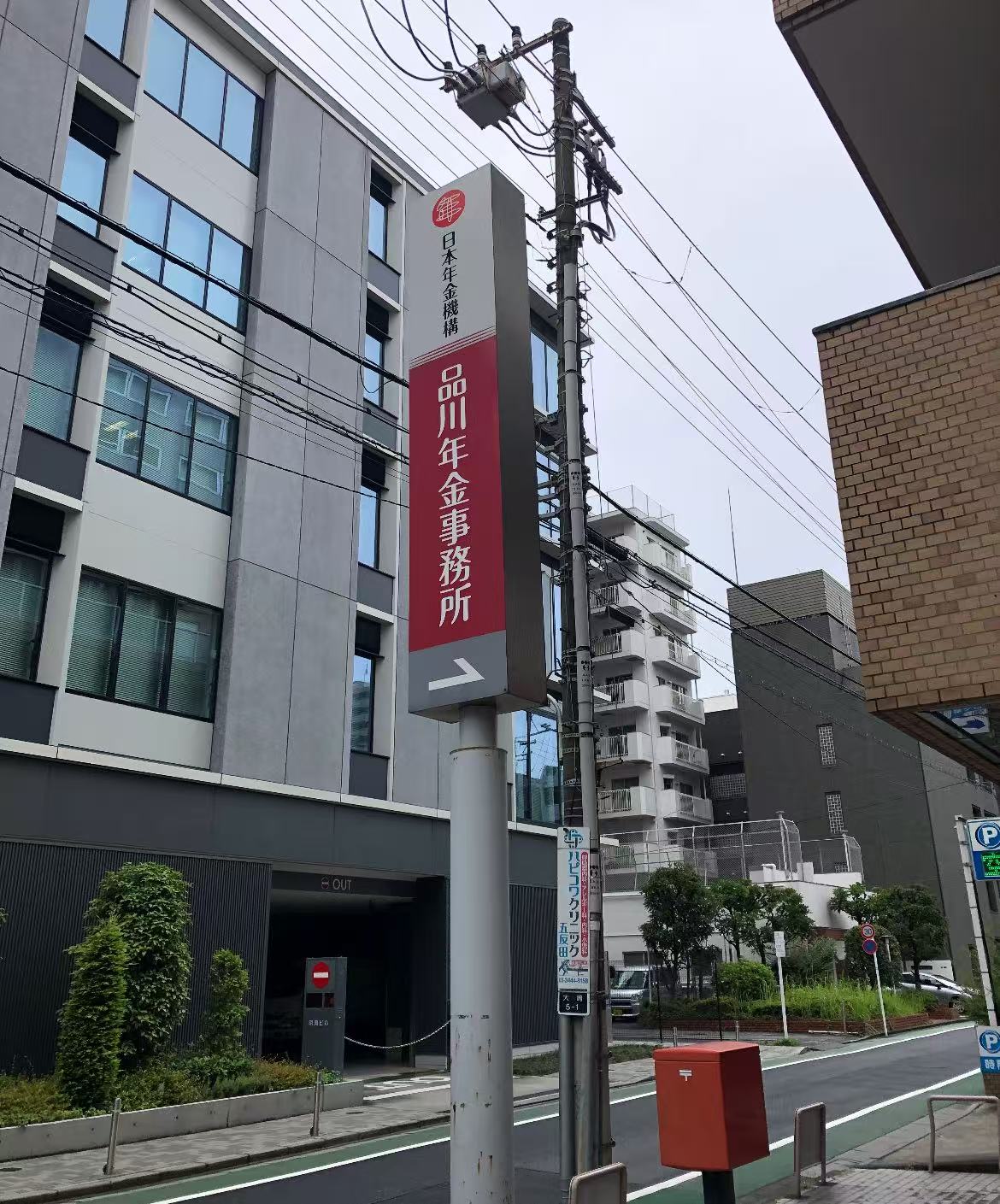
The Important Difference: Tax and Social Insurance Are Separate
The most important point for employees is that the ¥1.78 million threshold relates to income tax.
Social insurance—including employees’ health insurance and pension coverage—is governed by a separate set of rules.
As a result, an employee may pay little or no income tax while still becoming liable for social insurance contributions.
This distinction is particularly important for part-time employees, spouses working as dependants, and households attempting to optimize working hours and take-home income.
The ¥1.06 Million Social Insurance Barrier Is Changing
Historically, certain part-time employees have been required to join employees’ health insurance and pension schemes when they satisfy conditions including:
Working at least 20 prescribed hours per week
Earning at least ¥88,000 per month
Working for an employer covered by the applicable company-size requirements
Meeting the relevant employment-duration requirements
Not falling within certain student exemptions
The ¥88,000 monthly wage requirement is commonly referred to as the ¥1.06 million annual income barrier.
From October 2026, the government plans to abolish this wage requirement.
As a result, the 20-hour weekly working requirement will become increasingly important when determining whether a part-time employee must participate in employees’ social insurance.
Company-Size Requirements Will Also Be Gradually Expanded
The expansion of social insurance coverage does not occur for every small employer at once.
The company-size requirement is scheduled to be reduced gradually:
Until September 2027: generally 51 or more employees
From October 2027: 36 or more employees
From October 2029: 21 or more employees
From October 2032: 11 or more employees
From October 2035: the company-size requirement is scheduled to be effectively eliminated
This means that employees of increasingly smaller businesses will gradually become subject to the expanded social insurance system.
Why Take-Home Pay Can Still Decrease
This creates an important situation for part-time workers.
An employee may be able to earn more without becoming liable for income tax because of the new ¥1.78 million threshold, but that same employee could become required to participate in employees’ health insurance and pension schemes.
Once social insurance contributions begin, deductions from salary may increase significantly.
Therefore:
Higher gross income does not necessarily result in an equivalent increase in immediate take-home pay.
For some workers, crossing a social insurance threshold can initially result in relatively little additional disposable income—or potentially lower immediate take-home pay compared with remaining below the applicable threshold.
However, social insurance contributions should not be viewed solely as a cost. Participation can also provide additional benefits, including employee pension accrual and certain health-insurance benefits.
What About the ¥1.3 Million Dependant Threshold?
Another important consideration is the commonly discussed ¥1.3 million social insurance dependant threshold.
This issue is separate from both the ¥1.78 million income-tax threshold and the rules governing short-time employees’ mandatory enrollment in employees’ social insurance.
Depending on the worker’s circumstances, exceeding the applicable dependant-income standard can mean that the individual can no longer remain a dependant under a spouse’s or family member’s health insurance coverage.
The individual may then need to obtain their own social insurance coverage, which can include National Health Insurance and National Pension where employees’ social insurance does not apply.
The exact determination can depend on factors beyond a simple annual-income calculation, so individual circumstances should be checked carefully.

Three Different “Income Barriers” Should Not Be Confused
When considering how much to work in Japan, it is useful to distinguish between three separate concepts:
1. Income-Tax Threshold
The 2026 reform raises the minimum income-tax threshold for qualifying salaried workers to ¥1.78 million.
2. Employees’ Social Insurance Coverage
From October 2026, the ¥88,000 monthly wage requirement is scheduled to be abolished, making the 20-hour weekly working requirement particularly important for affected employees.
3. Social Insurance Dependant Status
Workers who are covered as dependants under another person’s social insurance should separately consider the applicable income requirements, including the commonly referenced ¥1.3 million threshold.
These systems have different rules and should not be treated as a single “income threshold.”
What Should Part time Workers Consider?
The 2026 reforms provide greater flexibility from an income-tax perspective, but employees should consider more than annual salary alone.
Before increasing working hours or earnings, it may be useful to check:
Expected annual employment income
Contracted weekly working hours
Whether the employer is subject to employees’ social insurance requirements
Whether the employee is currently covered as a dependant
Expected employee health insurance and pension contributions
Income tax and resident tax implications
How additional work will affect actual household disposable income
For some employees, working more hours may still be financially advantageous despite additional social insurance contributions, particularly when the longer-term pension and insurance benefits are considered.
The important point is to calculate the overall effect rather than focusing exclusively on the ¥1.78 million income-tax figure.
Key Takeaway
Japan’s 2026 tax reform represents a significant change for salaried and part-time workers.
The increase of the income-tax threshold to ¥1.78 million reduces income-tax pressure and may allow many employees to work and earn more without immediately becoming subject to income tax.
At the same time, Japan is expanding social insurance coverage. The scheduled abolition of the ¥88,000 monthly wage requirement from October 2026 and the gradual expansion to smaller employers mean that weekly working hours and social insurance eligibility may become more important than annual income alone.
For employees and households planning their working arrangements, the key question should therefore be: “How will my income, working hours, taxes, social insurance contributions, and dependant status affect my overall take-home income and benefits?”
Understanding these factors together can help workers make more informed decisions about their employment arrangements.
If you have different opinions or perspectives, please feel free to send us a direct message to share your thoughts and discuss them with us.